


4/16/2026
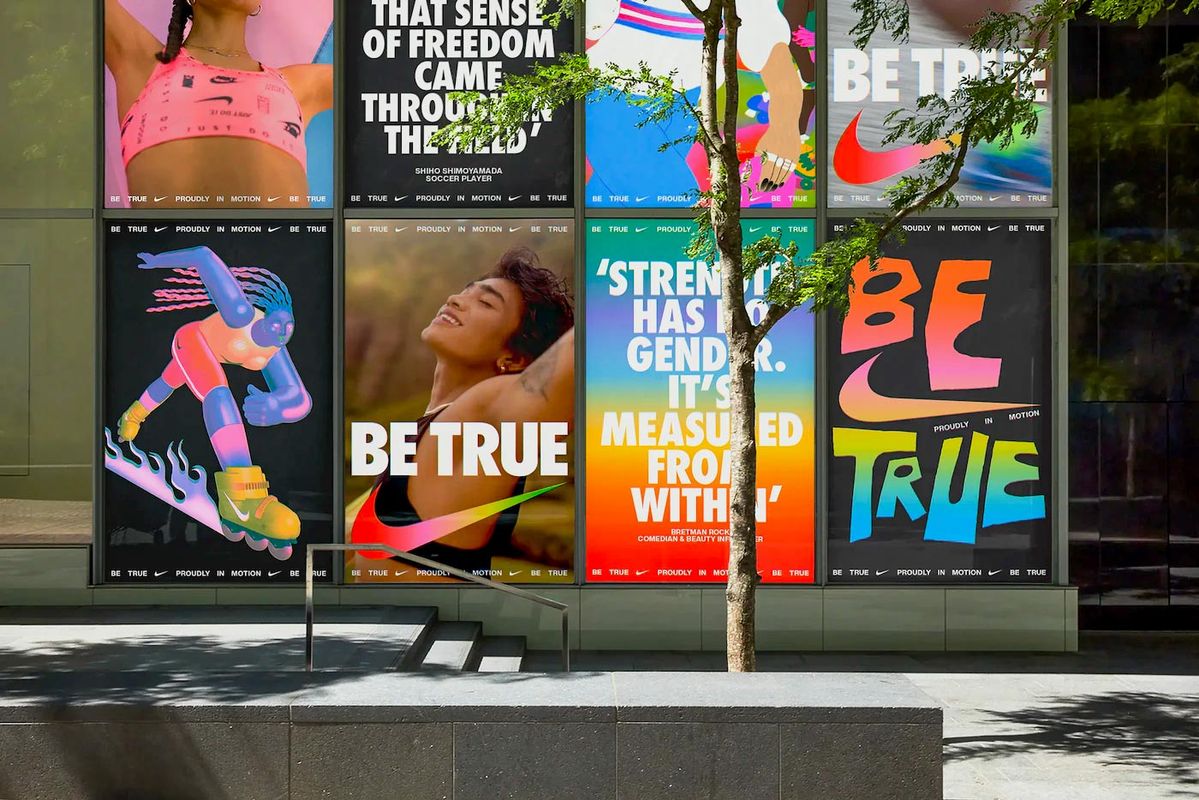
Every June, we see the same thing.
Rainbow logos. Nicely designed posts. A line about “love is love.”
And then, as quickly as it arrives, it disappears again in July.
Somewhere along the way, Pride became a seasonal marketing moment.
It’s like brands think the LGBTQ+ community are Santa adjacent spectres that come out in June, enjoy the attention, then quietly disappear for the rest of the year.
The reality is, audiences have moved on from this. They’re paying closer attention to what brands actually do, not just what they say.
And that’s where most Pride campaigns fall down.
If you’re feeling unsure about how to approach Pride this year, you’re not alone.
“What if we get it wrong?”
“Is it safer to say nothing than risk being called out?”
“Will this look performative?”
“Do we need a full campaign, or is a small gesture enough?”
They’re valid questions. But when they’re left unresolved, they tend to lead to the same outcome:
Something safe.
Something surface-level.
Or nothing at all.
It might feel like opting out is the safest route, but it isn’t.
Doing nothing isn’t neutral. It’s a decision – a visible one.
Your LGBTQ+ customers, your team, and the people around them notice who shows up consistently; who quietly disappears when things get uncomfortable; and who only participates when it feels easy.
If you’ve engaged with Pride before and suddenly stop, that inconsistency raises questions.
And in a landscape where trust is hard-won, that kind of silence can do more damage than getting something slightly wrong.
• Global LGBTQ+ purchasing power is estimated to be approximately $4.7 trillion1
• They're more likely to recommend brands they trust and influence the purchasing decisions of people around them
• Gen-Z and Millennials expect brands to take clear positions on diversity and inclusion - and they factor this into purchasing decisions
The good news? You don't need a massive budget or marketing team to create a Pride campaign that actually lands. You just need genuine commitment and a clear plan.
Small businesses actually have an advantage here - your authenticity reads more clearly than big corporate campaigns.
This is where most brands need to pause.
Because a meaningful Pride campaign doesn’t start with a social post.
It starts with what’s happening inside your business.
Before you think about external messaging, look at your foundations:
• Your employment contracts
• Your staff handbook
• Your parental leave policies
• Your approach to gender identity and transition support
Are they inclusive?
Are they current?
Do they reflect real people, not just the “default” employee?
For example:
Do your policies account for non-binary employees?
Do you have a clear, supportive process for someone transitioning?
Is your language inclusive, or still based on outdated assumptions?
This is the work that actually matters. It’s the difference between someone feeling safe and supported at work or feeling there will be no support, safety net or procedures should they encounter discrimination.
External campaigns without this foundation are where “rainbow washing” creeps in – and people can spot it a mile off.
Frameworks like Stonewall's Equality Index can be a useful guide.Stonewall’s Workplace Equality Index
Similarly, LGBTQ+ charity Liberate’s Rainbow Mark Scheme has created guidance on LGBTQ+ inclusion: Rainbow Mark SchemePS – Branding by MantraBrand House ;-)
Making the commitment to ensure your foundation is inclusive is something you can share, demonstrating that you work with the LGBTQ+ community all year round, not just as a one-off stunt for Pride month 2026.
If you don’t have time to do this before Pride, which is understandable if you have a big team, simply stating that you are making the commitment will keep you accountable for seeing it through and provide something to talk about when it’s completed.
But even without formal benchmarking, the principle is simple:
Your internal reality has to match your external message.
Having the right wording in a handbook is one thing.
Creating an environment where people actually feel safe, respected, and included is another.
This is where many businesses fall short – often unintentionally.
Because inclusion isn’t a one-off exercise. It’s ongoing.
That means:
• regular training for HR teams
• education for managers (especially those responsible for people)
• wider team awareness so inclusion isn’t siloed or misunderstood
Bringing in external can make a huge difference here. Your local LGBTQ+ charity will run workshops and can come to the office to give a training session.
If your team doesn’t feel confident navigating these conversations internally, that will always show externally.
With your foundations in place, it’s time to look at the support you show the LGBTQ+ community during Pride month.
Mistakes in most campaigns aren’t deliberate; they’re just poorly thought through.
Here’s what people are increasingly quick to call out:
A logo change. A few posts. Then silence for the rest of the year.
Big public statements that don’t reflect what it’s actually like to work there.
Using the same narrow visuals and stories.
Investing heavily in content production, while contributing very little to LGBTQ+ organisations doing the real work.
People notice that imbalance. And they remember it.
There’s a lot of pressure to get everything right.
But audiences don’t expect perfection. They expect honesty.
Saying:
“We want to support Pride properly, but we’re still learning how to do that”
is far more credible than producing something overly polished and slightly hollow.
You might want to add “This is our commitment to increasing inclusivity from the ground up at XYZ Brand, and a heartfelt message to all the community to tell them "You are loved. You are welcome. And you deserve happiness. Happy Pride".
Imagine how genuine that might feel compared to some rainbow bunting and a jazzed-up rainbow logo that goes up for one month and comes down again as soon as July whips round.
You don’t have to reinvent the wheel to do something impactful.
Especially when so many organisations are doing such a great job of putting together informative content that looks great and has a distinct purpose.
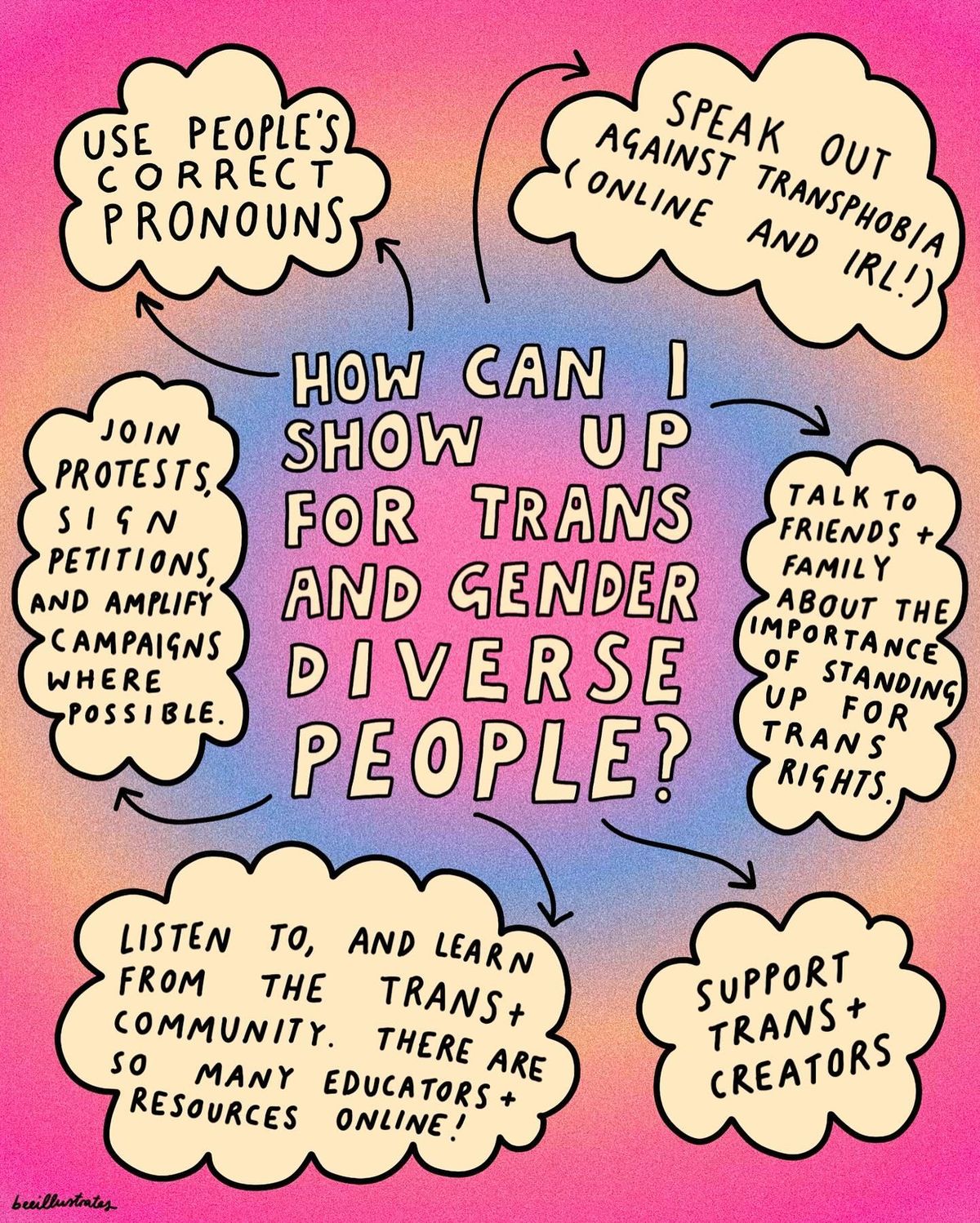
Debunking myths that are commonly associated with LGBTQ+ people is an excellent way of showing support.
How about putting together some words about what it means to support Pride, and sharing the facts debunking transphobia from @notaphaseorg on Instagram?
A branded cover and some words explaining this is your Pride activation and why, then a share – tagging the organisation who originally created the content to help raise their visibility.
Simple. Effective. Could actually make a massive difference.
That’s another brand activation for Pride sorted out, and you barely had to open Canva.
Since the cost of living crisis LGBTQ+ charities have seen financial support drastically cut. And, despite being one of the world’s biggest free parties and a huge generator of income for businesses, even the big Pride events are often run by volunteers.
Support doesn’t need to be loud to be meaningful, but it does need to be real.
That could look like:
• donating to LGBTQ+ charities
• running a fundraiser
• sponsoring local Pride initiatives
• offering your time or expertise
• offering a young LGBTQ+ person an apprenticeship or work experience.
Sometimes the most impactful thing you can do won’t win awards, but it will actually help someone.
Sharing that you are doing any of the above activities not only helps spread the word, but it can also be part of your Pride campaign. Because taking meaningful action is what counts more than a rainbow post and a few words.
The more we turn out and talk about Pride and LGBTQ+ rights, the more we push back against those who would punish minorities for simply existing. And the more we inspire others to think about what they could do to support their LGBTQ+ friends, family and neighbours through June and beyond.
We donate 120 hours of studio time every year to Channel Islands Pride and Liberate, to ensure their brand is unignorable, their messages are strong, and the community feels held.
A surprising number of Pride campaigns are created without meaningful input from LGBTQ+ people, aside from asking for their approval when the creative is all but done.
• Speak to LGBTQ+employees (where appropriate) and your team – many of them will have LGBTQ+ family and friends they could speak to if they’re comfortable doing so.
• Run anonymous surveys.
• Ask your audience what matters to them.
Even if you don’t consider your product or service to be inherently queer, you will almost certainly have LGBTQ+customers.
We eat, drink, sleep, get married, go on holidays, buy tech, and run businesses just like the rest of you.
• Commission research if you have the time and budget.
We’ve run countless surveys ahead of our big campaigns for CI Pride, and the feedback has been both surprising and inspiring.
You’ll often find that what resonates most with the community isn’t what you initially assumed.
If you don’t feel able to carry out in-depth research above, try finding and following LGBTQ+ charities and blogs on Social Media. Look at what they’re talking about and read the comments.
The community is out there and broadcasting what brings them fear, fire and joy. You just have to look.
The LGBTQ+ community has its own language and culture, which includes but goes beyond those sassy phrases you may have heard on Ru Paul’s Drag Race.
Brands that learn the lingo and wield it with confidence will earn points for being authentic and create campaigns that really connect.
This goes beyond verbal into semantics associated with colours, flags, symbols, even animals.
So think twice before popping a cute Otter on your Pride post.
Learn the community's language or risk disconnect, bewilderment and perhaps a little hilarity.
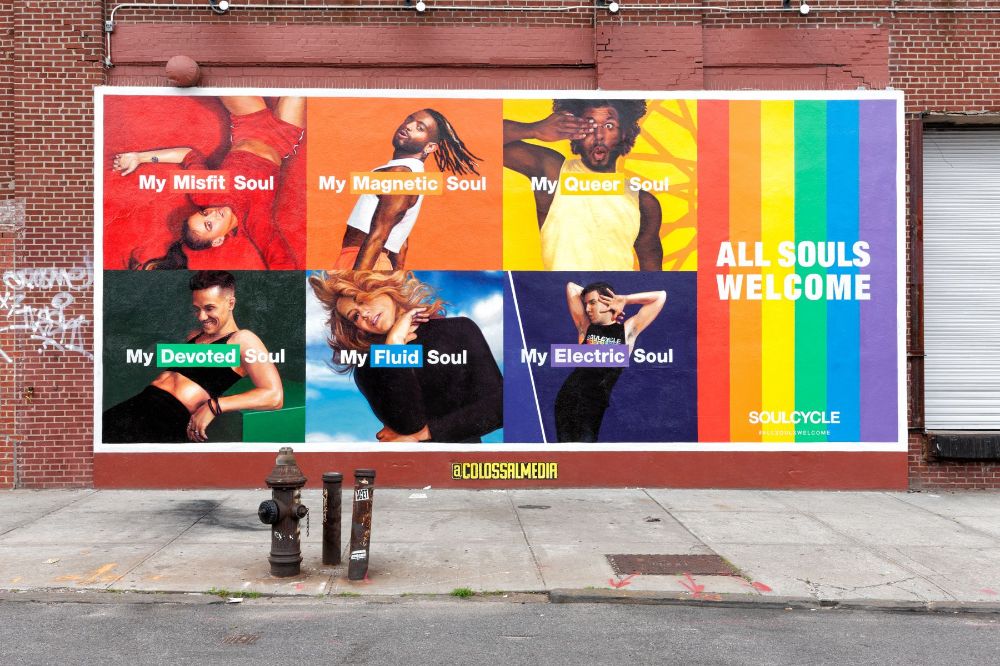
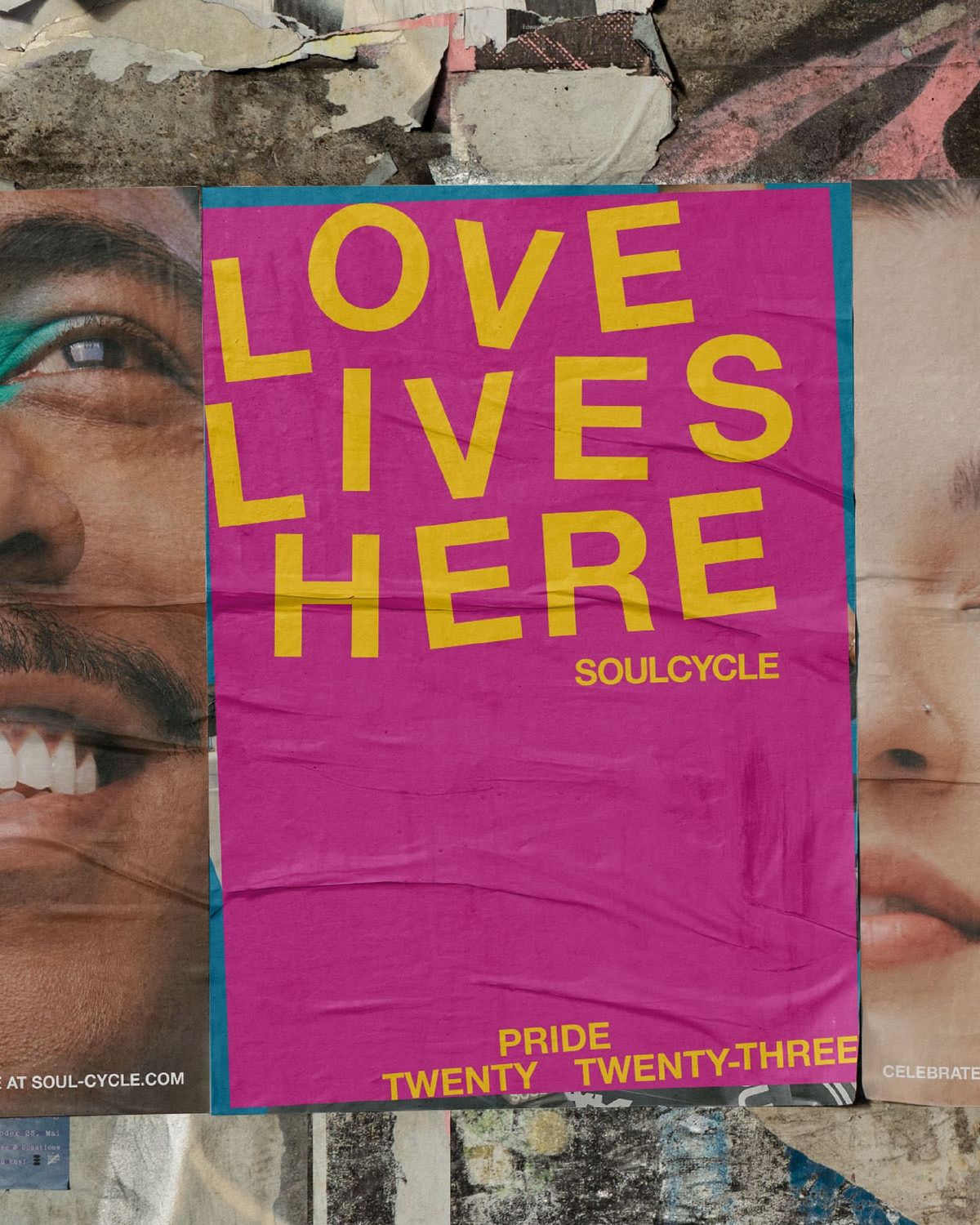
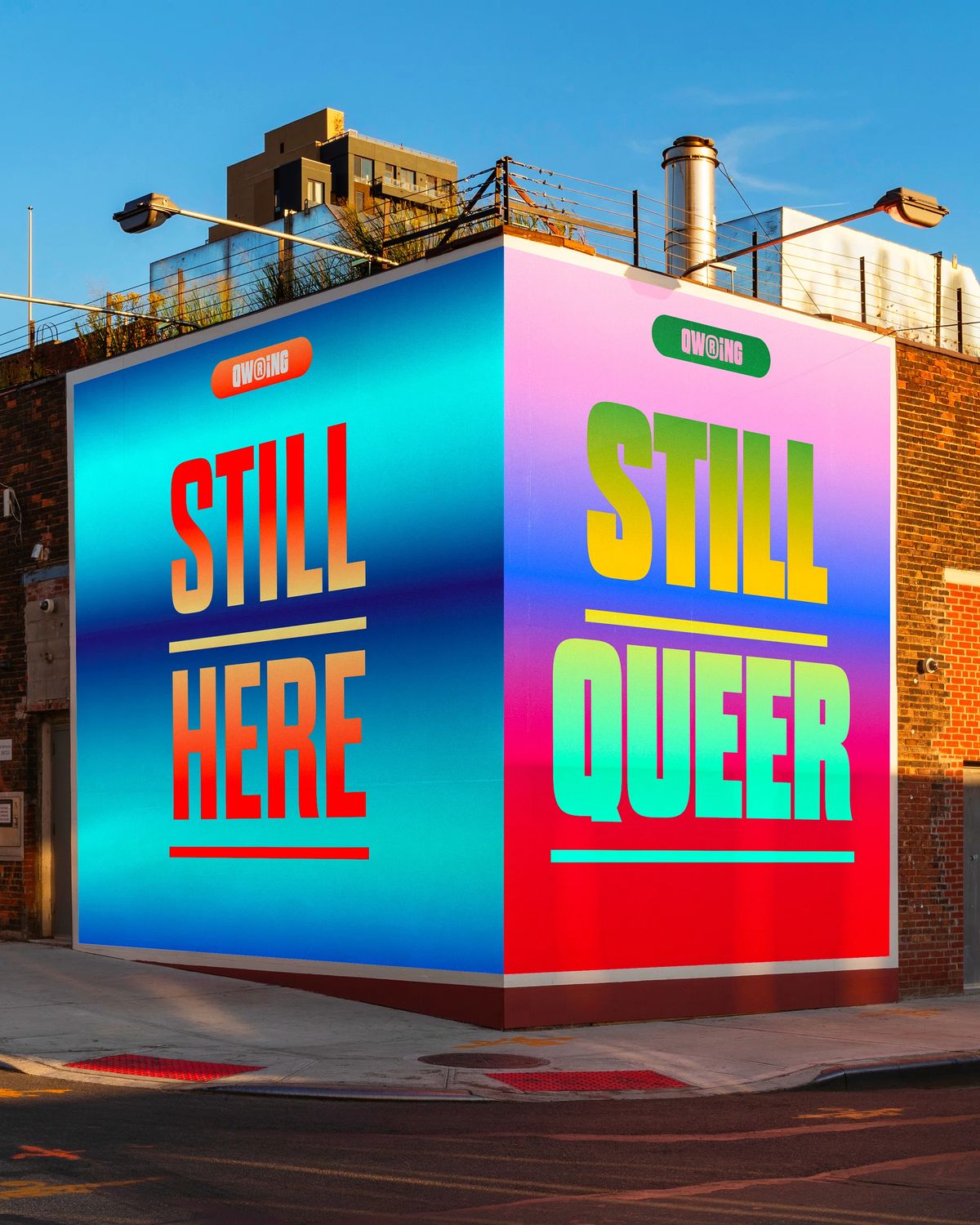
Check out our Pinterest board of brands that have done Pride well, or scroll to the bottom to see some examples:Pinterest board
Too often campaigns feature drag queens and polished male models with leather studs or a glitter beard.
And guess what they have in common? They’re (usually white) gay, cis-men.
The LGBTQ+ community is diverse and intersecting, so try to represent the entire spectrum, which includes:
• lesbians,
• bisexuals,
• trans men,
• trans women,
• non-binary people,
• intersex people,
• majority ethnicities (formerly referred to as POC),
• proud parents,
• allies
and more!
If your campaign only reflects one segment of the LGBTQ world, it will feel limited, and it won’t reach beyond the echo chamber.
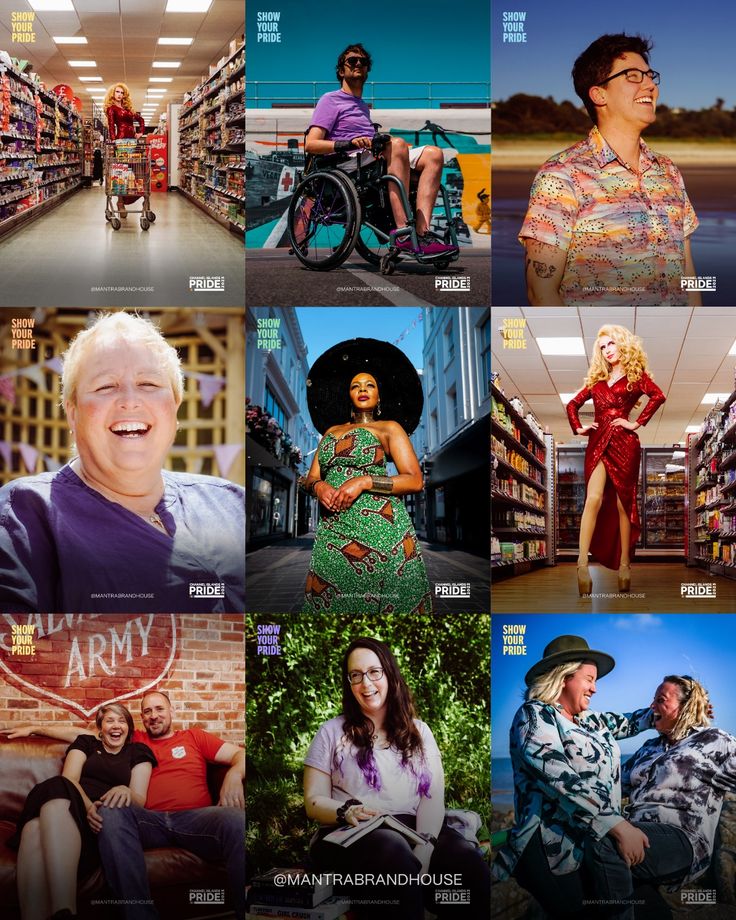
At the request of the CEO of Pride Jersey (a man), our campaign for CI Pride 2023 intentionally didn’t feature any gay cis-men. Unless you count the one drag queen.
We shot a broad range of non-typical Pride models, in raw, unfiltered, powerful photography, and we asked them to share advice to their younger selves, which was often empowering and emotional.
The result? A bigger, more diverse crowd attended Pride that year. In our survey, 4/5 people attending said it was their first Pride. Now that’s an impact.
If you have LGBTQ+ staff who would like to take part as spokespersons during Pride month, ensure that you support them and have safeguarding measures in place in case there is any backlash. Because sadly, there are always trolls very happy to target LGBTQ+ posts and individuals online.
Expanding representation isn’t about ticking boxes.
It’s about reflecting reality more honestly.
If you’re planning to show support for Pride, it’s worth acknowledging this upfront:
There may be backlash.
Not from everyone, but potentially from a vocal minority. And in 2026, that often shows up in comments, reviews, or social media pile-ons.
The goal isn’t to avoid that entirely. It’s to be prepared for it.
Before anything goes live, make sure your leadership team is aligned.
• Do you all stand behind this publicly?
• Are you prepared to support your team if negative responses come in?
If there’s hesitation internally, that’s something to resolve before you hit publish.
Don’t wait until something happens to figure out how you’ll respond.
• Will you moderate comments?
• Will you engage or ignore?
• What crosses the line into removal?
Having clear guidelines avoids reactive decision-making under pressure.
The people managing your channels are often the first to experience backlash directly.
Make sure they know what to escalate; feel supported in handling difficult interactions; and aren’t left to deal with it alone.
If criticism comes in, resist the urge to panic or over-explain.
A clear, calm, consistent response is far more effective than trying to appease everyone.
You’re not trying to win every argument—you’re showing what your brand stands for.
It’s easy to get distracted by negative voices. But your campaign isn’t for them.
It’s for your LGBTQ+ customers, your employees, and the wider community who value inclusive businesses.
Keep your focus there.
The brands that get Pride right aren’t the ones with the biggest campaigns.
They’re the ones where support doesn’t feel seasonal. They’re the ones doing the work both internally and externally all year.
You don’t need to get everything perfect this year.
But you do need to start somewhere and commit to continuing.
1. Fix your contracts and handbooks. Consider bringing in external support and training.
2. Share your commitments to do Pride all year round with your customers.
3. Speak to the community - do your research.
4. Create a campaign that connects beyond making placards and waving flags.
5. Support an LGBTQ+ charity with help, money or time. Go beyond words.
And remember to add Pride work to your social all year round.
There are numerous important LGBTQ+ dates throughout the year.
For the full marketing calendar 2026 visit our blog post Marketing Calendar 2026
We’ve spent the past few years helping organisations create Pride work that goes beyond surface-level support and drive real change – even helping change DE&I laws.
If you want to create something that connects and stands up to scrutiny, we can help with
• campaign strategy
• creative design and production
• community-led research
• or simply pressure-testing your ideas
Get in touch to start a conversation
For regular inspiration and advice, once a month, sign up for our newsletter
“We asked Mantra to deliver a bold new campaign for the 50th anniversary, but what they’ve done goes so much further than that. They’ve given us a new way of thinking about Pride, helped us rediscover our roots and set us on an exciting new path.”
ELLIE JONES
CEO, Liberate Guernsey
Sources:
1 LGBT Token




.svg)
.svg)


